June 21, 2026
The automotive preservation industry is experiencing unprecedented global growth as modern consumers increasingly prioritize the structural maintenance and visual refinement of their personal transportation. This behavioral shift is not merely a short-term reflection of an aesthetic obsession with pristine vehicle surfaces; rather, it underscores an evolving cultural understanding of asset management.
As modern vehicles become highly complex, financially demanding investments, deploying aggressive defensive maintenance protocols becomes paramount. This realization has heavily fueled consumer demand for an enterprise-level auto detailing company that can provide advanced protective care that goes far beyond a basic, superficial wash. By looking into the technical, economic, and practical elements of this industry, we can map out why deep reconditioning has evolved into an essential component of modern automotive ownership.
1. Reconditioning Architecture: Detailing vs. Washing
Comprehensive Scope and Paint Correction
Automotive detailing is an incredibly meticulous, multi-stage reconditioning process designed to clean, restore, and protect every square inch of a vehicle to achieve an immaculate finish. Unlike a standard commercial car wash that merely clears loose surface dirt from the exterior sheet metal, professional reconditioning focuses on sub-surface decontamination and material stabilization.
An advanced auto detailing company utilizes specialized rotary polishers and multi-stage abrasive compounds to perform paint correction, permanently shaving away microscopic layers of clear coat to eliminate swirl marks, oxidation, and bird-dropping etching. This level of care restores true optical clarity to the automotive finish, ensuring long-term material preservation.
Lifetime Value and Market Statistics
Investing in professional reconditioning is a highly effective method for protecting a vehicle's long-term resale value, as an immaculate vehicle consistently commands a financial premium in the pre-owned market. Beyond structural aesthetics, regular exterior reconditioning maintains a smooth finish that directly impacts real-world operating efficiency.
The economic scale of this preservation priority is well-documented within corporate market tracking. According to Grand View Research, based on type, exterior car detailing services segment accounted for a market share of around 64% in 2024. This dominant segment share proves that vehicle owners heavily prioritize the physical protection of their exterior paint matrices against relentless environmental degradation.
2. Market Drivers and Rising Consumer Awareness
Social Media Exposure and Enthusiast Culture
The rapid proliferation of digital video platforms and detailing influencers has dramatically accelerated consumer awareness regarding advanced paint care. Viral, high-definition transformation videos detailing intense barn-find restorations or deep interior steam extractions have successfully educated everyday drivers on the deep value of chemical decontamination.
As consumers view these detailed processes online, they move away from damaging automatic brush car washes. Instead, they actively seek out a qualified auto detailing company capable of executing professional multi-bucket hand washes, clay-bar procedures, and advanced surface preservation.
Environmental Mandates and Sustainable Chemistry
Modern consumer preferences heavily prioritize ecological sustainability, forcing the detailing sector to rapidly modernize its chemical inventory. Premium detailing operations are shifting away from harsh petroleum solvents to adopt biodegradable cleaners, pH-neutral citrus degreasers, and low-moisture dry vapor steam extraction systems.
Furthermore, local environmental compliance regulations regarding water containment have driven the development of high-efficiency rinseless and waterless wash polymers. These green technologies allow an eco-friendly auto detailing company to fully decontaminate a vehicle utilizing less than a single gallon of water, completely eliminating toxic chemical runoff into municipal storm drains while delivering an uncompromised mirror finish.
3. Economic Factors Capitalizing on Vehicle Longevity
Extended Finance Cycles and Lease Returns
The structural inflation of new vehicle prices has forced consumers into extended auto loan amortization schedules, driving a need to maintain their aging vehicles far longer. Simultaneously, the absolute dominance of corporate auto leasing agreements requires drivers to return their vehicles in pristine condition or face severe, back-end financial penalties for structural wear and tear. Regular interior and exterior reconditioning packages allow lessees to maintain their vehicles according to strict lease-return parameters, entirely avoiding costly visual reconditioning surcharges.
Pre-Owned Transformations and Asset Liquidity
In the highly competitive pre-owned automotive market, a professional interior and exterior detail delivers an exceptional financial return on investment. Deeply cleaning high-traffic interior surfaces—such as extracting grease from leather steering wheels, hot-water vacuuming salt stains out of floor carpets, and applying matte UV protectants to vinyl dashboards—transforms the perceived age of a vehicle. Eliminating common biological odors like stale tobacco smoke or pet dander instantly enhances asset liquidity, allowing private sellers and dealership operations to maximize their final transaction values.
4. Technological Advancements in Surface Science
Nano-Ceramic Coatings and Elastic Films
The emergence of advanced nanotechnology has completely revolutionized the field of automotive surface protection. Traditional carnauba waxes and basic polymer sealants provide soft, temporary barriers that degrade quickly under intense solar heat and chemical exposure.
Today, a leading auto detailing company offers professional nano-ceramic coatings formulated from liquid silicon dioxide or titanium dioxide. These advanced formulations bond chemically with the vehicle's factory clear coat at a molecular level, curing into an incredibly hard, glass-like crystalline shield that shrugs off light scratches and prevents UV oxidation.
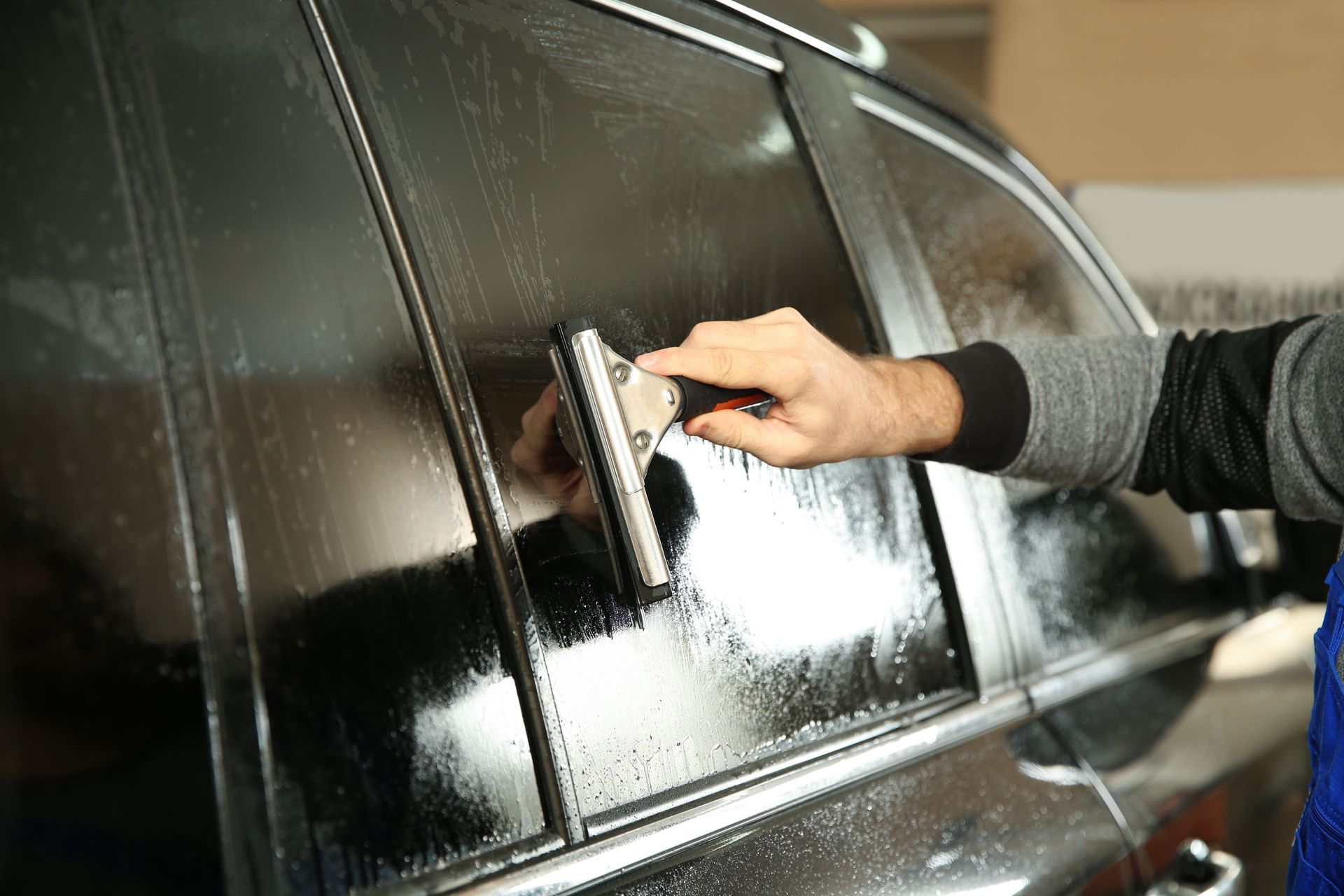
This chemical advancement is perfectly complemented by the widespread installation of optical-grade Paint Protection Film. These heavy-duty, thermoplastic polyurethane films are wrapped precisely over high-impact exterior zones to absorb aggressive rock chips, road salt abrasion, and highway debris.
Featuring specialized elastomeric topcoats, premium films exhibit self-healing capabilities; minor surface scratches and swirl marks completely disappear when exposed to direct sunlight or warm water, keeping the underlying factory paint completely pristine.
Smart Telematics and Automated Bookings
Beyond surface chemistry, advanced digital logistics have significantly streamlined how modern consumers coordinate professional detailing upkeep. On-demand mobile detailing applications allow drivers to schedule precision detailing treatments at their corporate offices or private residences with ease.
Furthermore, cloud-based fleet tracking networks allow an agile auto detailing company to optimize its mobile service routes, reduce operational water waste, and maintain real-time digital inspection logs, providing consumers with absolute transparency and unmatched operational efficiency.
5. Professional Standards and Specialized Skill Sets
Certification Frameworks and Core Training
As surface science and chemical engineering continuously advance, automotive detailing has evolved from a basic manual trade into a highly regulated technical profession. To establish consumer confidence and ensure uniform quality, elite reconditioning specialists pursue formal accreditation through international governing bodies like the International Detailing Association (IDA). Earning these specialized credentials requires technicians to undergo a series of rigorous written examinations and hands-on skill validations. These assessments cover precise paint depth profiling, proper rotary machine handling, and the safe containment of volatile chemical compounds, separating certified master craftsmen from unverified operators.
The rapid structural expansion of the professional car reconditioning sector is a direct result of an evolving consumer market that views automobiles as valuable investments requiring specialized, technical care. Through the application of advanced paint correction methods, nano-ceramic coating matrices, and ecological sanitization chemistry, certified technicians transform vehicles from depreciating equipment back into pristine, highly protected assets. By implementing regular reconditioning habits, vehicle owners can easily insulate their investments from severe environmental weathering, reduce overall lifecycle degradation, and maximize their pre-owned asset liquidity.
When protecting your high-performance vehicle or luxury interior, relying on cheap, abrasive tunnel car washes or uncertified mobile amateurs can cause permanent clear coat scratching, deep paint burning, and severe leather staining. Achieving true show-quality refinement demands board-certified reconditioning technicians, multi-million dollar garage-keepers insurance policies, and laboratory-grade chemical systems. To ensure your automotive investment receives the highest tier of surface correction and certified molecular protection, schedule your upcoming luxury treatment with the elite at Concierge Detailing.